what the film does
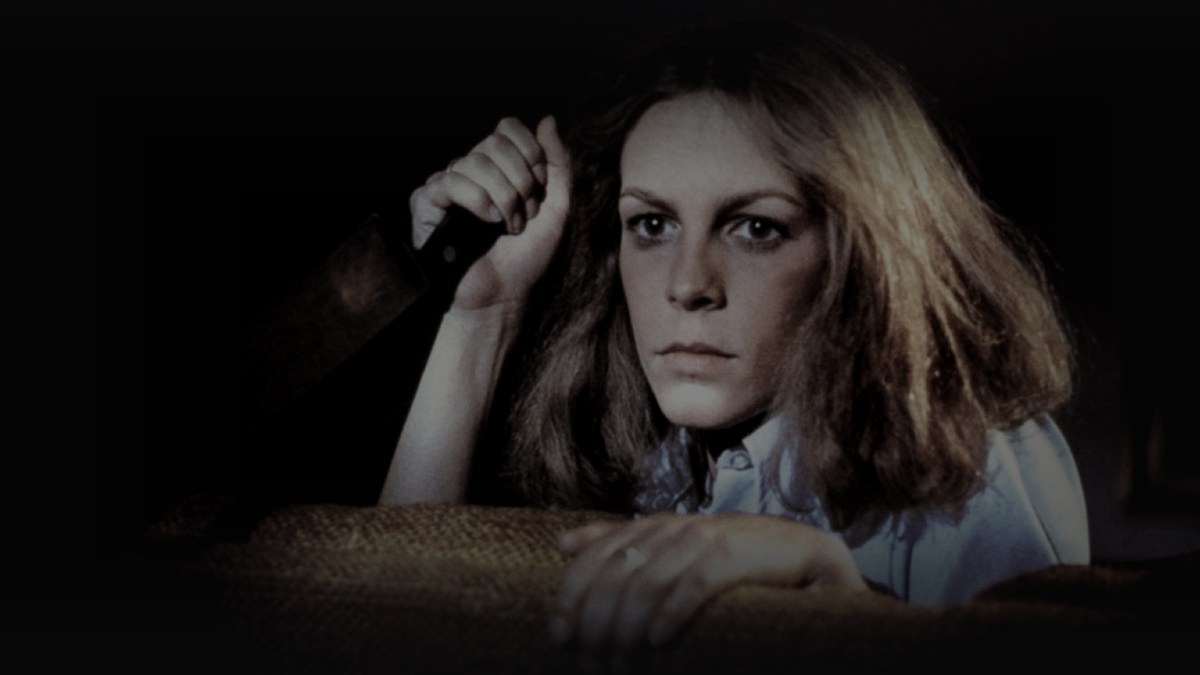
on halloween night 1963, six year old michael myers stabs his teenage sister to death in haddonfield, illinois, and is sent to a sanitarium under dr. samuel loomis (donald pleasence). fifteen years later, on the eve of halloween, michael escapes and drives home. loomis follows, certain of where he is going. michael spends the day watching high schooler laurie strode (jamie lee curtis, in her first film role) and her friends annie and lynda, and when night falls he picks them off one by one while laurie babysits across the street. the film runs on carpenter’s own score, a steadicam opening shot that takes michael’s point of view through the house where his sister died, and the patience to let michael stand in the back of frames long before anyone on screen notices him.
why this one
the origin point of the modern slasher. made for $300,000 and grossed $70 million, it became one of the most profitable independent films of all time. carpenter wrote, directed, and scored it, and the score does as much work as the camera: the piano theme in 5/4 never stops, and the film knows when to go quiet. jamie lee curtis’s debut turned the final girl into a genre fixture. the film is patient in a way its imitators were not: michael stands in frame for whole seconds before anyone notices, and the first act plays out in broad daylight. the library of congress added it to the national film registry in 2006. this is the film the rest of the canon’s 80s horror entries are in conversation with, and it still holds because carpenter understood that what you do not see is scarier than what you do.
image: letterboxd (still, baked 0.45, brightness 24.9)